In most enterprises, the core transactional systems — ledgers, customer cores, settlement, billing — were built years ago on databases like Oracle, IBM DB2, or SQL Server. They run the business, they're trusted, and rewriting them quickly is rarely a sensible option. The risk is too high and the value too embedded.
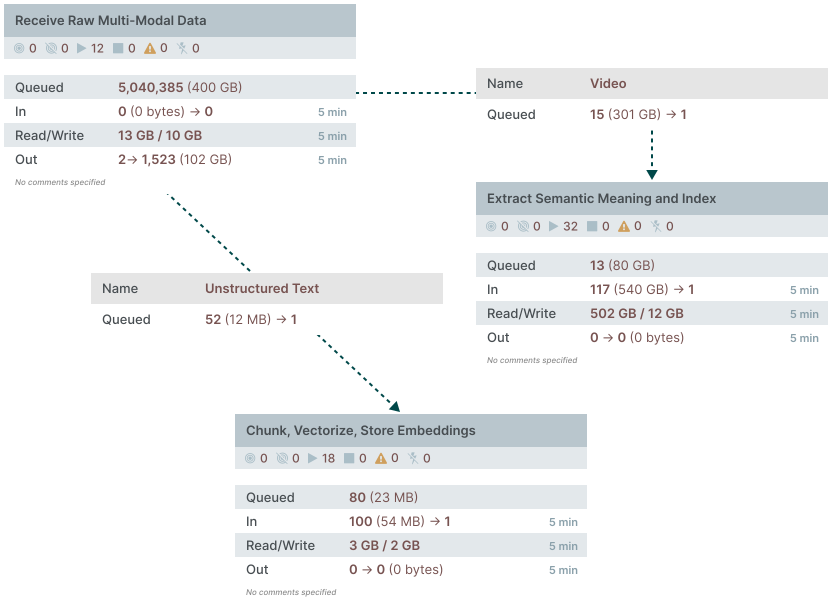
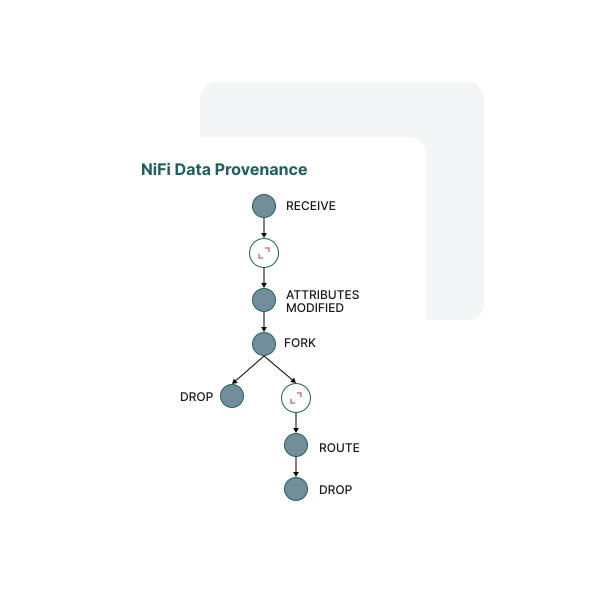
The better pattern is to leave those cores doing what they do best, and modernize the layer around them. Debezium externalizes their committed changes as events. Apache NiFi shapes and routes the resulting flows. Apache Avro keeps the contracts disciplined. Apache Kafka (or Red Hat AMQ Streams) carries the events at scale. Services running on Red Hat OpenShift consume those streams or expose new APIs on top of them.
The result is a modernization path that's incremental and reversible: the perimeter — digital channels, data products, integration services, operational automation — moves forward, while the systems of record stay protected. Speed goes up, risk goes down, and the organization gets new capabilities without betting everything on a single replacement program.